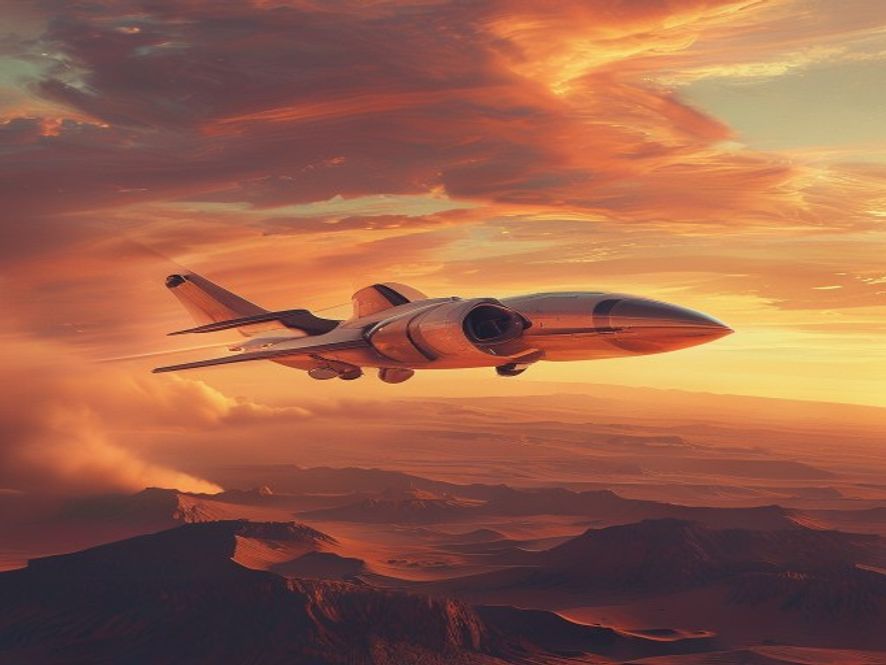
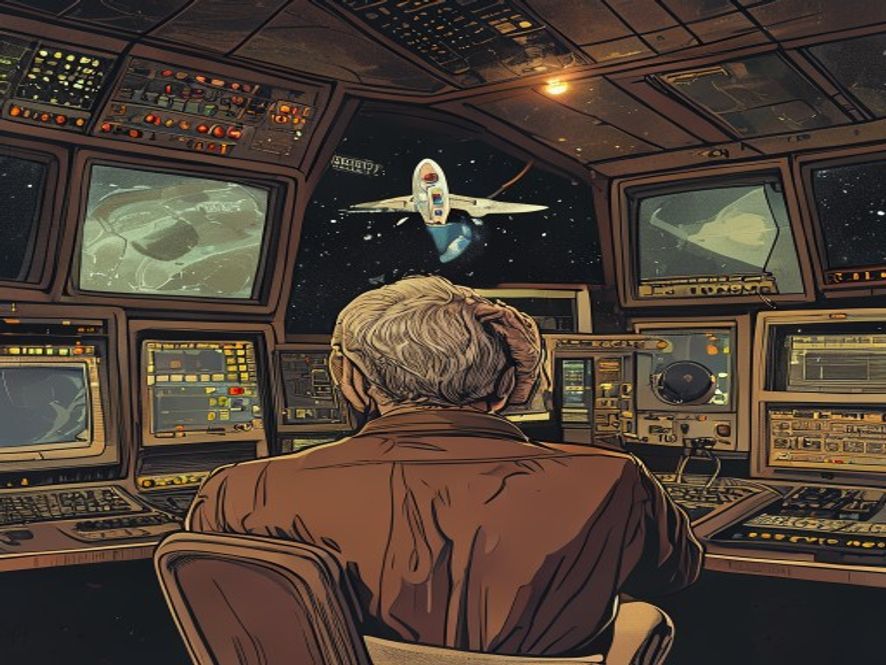
The Voyager 1 memory fix is, without question, the most impressive bit of long-distance IT support in human history. Forget your man from the broadband company who turns up four days late and unplugs your router. NASA engineers recently repaired a spacecraft that is approximately 15 billion miles away — without so much as a ladder, a soldering iron, or a strong cup of tea to steady their nerves.
Voyager 1, the plucky little probe that has been hurtling through interstellar space since 1977, developed a fault in one of its memory chips. Not ideal, given that the nearest engineer is, well, on Earth. For context, a signal sent to Voyager 1 takes about 22 hours to arrive. That’s longer than most people spend waiting for a response on a WhatsApp message from their mum.
When You Can’t Just Ctrl+Alt+Delete from 15 Billion Miles Away
The broken chip meant that a chunk of Voyager’s flight software was essentially living in a condemned flat — structurally unsound and refusing to cooperate. Under normal circumstances, you’d simply repair or replace the dodgy bit. However, when your patient is a 46-year-old spacecraft drifting beyond the edge of our solar system, “normal circumstances” went out the window sometime around the Ford administration. NASA’s Voyager programme has been full of such delightful impossibilities since day one.
The engineers, displaying the kind of lateral thinking that would make a pub quiz team weep with envy, decided they couldn’t fix the chip itself. So they did the next best thing. They carved up the affected code into pieces — like a particularly stressful game of Tetris — and redistributed those pieces to different, healthier sections of the spacecraft’s memory. Then they made all those scattered fragments talk to each other again. Seamlessly. From Earth. Across 15 billion miles of cold, indifferent void.
The Most Impressive Voyager 1 Memory Fix Since, Well, Ever
To truly appreciate the audacity of this achievement, consider that Voyager 1’s entire computer system has less processing power than a modern digital toaster. NASA’s Jet Propulsion Laboratory, which manages the mission, has been keeping this magnificent antique operational through sheer ingenuity and what one can only assume is an extraordinary amount of institutional stubbornness. Furthermore, the team had to work with original documentation from the 1970s — an era when “the cloud” referred exclusively to weather.
Meanwhile, the rest of us struggle to update our phones without accidentally deleting everything. NASA, consequently, has earned the right to look slightly smug at every tech support conference from now until the heat death of the universe. The fix took months of painstaking planning, testing on Earth-based replicas of the ancient hardware, and presumably a great deal of very strong coffee. Space.com’s Voyager coverage has tracked the whole nail-biting saga beautifully, if you want the full dramatic arc.
A Love Letter to the Engineers Who Made It Work
There is something genuinely, achingly wonderful about the fact that humans built a machine in the 1970s — when the height of consumer technology was a digital watch that could do sums — and that machine is still out there, still phoning home, still doing science. The official Voyager mission site even lets you track exactly where both probes are in real time, which is the sort of thing that will make you feel simultaneously tiny and enormously proud of your species.
The engineers who carried out this repair are, let’s be absolutely clear, superheroes. Not the cape-wearing, CGI-explosion variety, but the rather better kind: brilliant, patient, slightly obsessive people who refused to let a broken memory chip defeat them across an incomprehensible distance of space. The BBC’s science desk has rightly described moments like this as the best of human endeavour, and for once the BBC is bang on the money.
So the next time your laptop freezes and you consider lobbing it through a window, take a breath. Think of the Voyager 1 memory fix. Then remember that somewhere, a team of engineers repaired a spacecraft older than most of their own parents, across a distance the human brain genuinely cannot comprehend, using code written before personal computers existed. You can probably sort your laptop out. Probably.
Read the original story at Unbelievable Facts.
🛒 Related Finds on Amazon
As an Amazon Associate I earn from qualifying purchases.