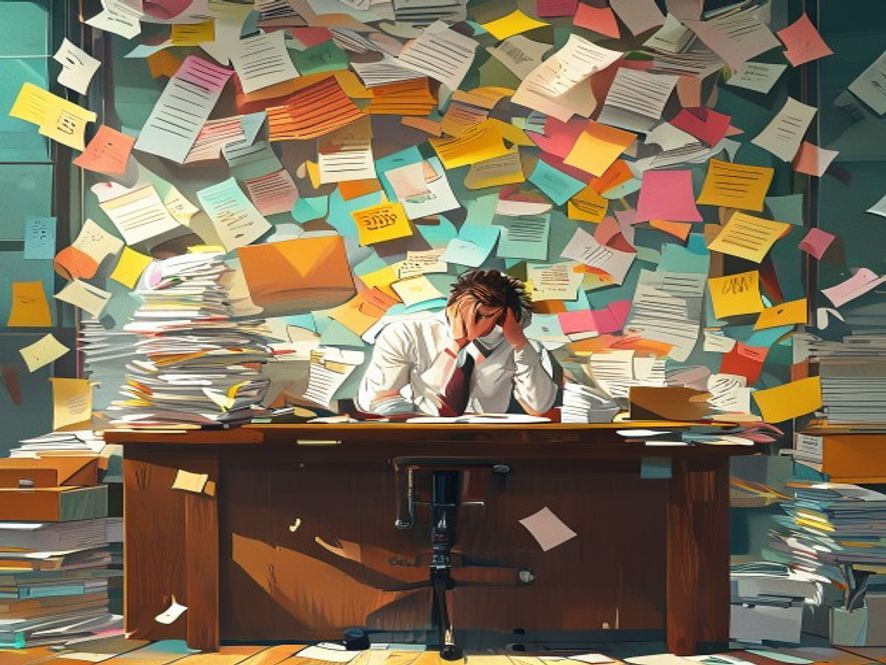

There is a certain type of fairy tale that begins with a grand palace, a kindly employer, and freshly cut flowers in every room. The Qatar maids in Cinderella palaces are living that story right now — except in this version, Cinderella works from 8am to 11pm, hasn’t had a Sunday off in eighteen months, and the pumpkin carriage has been replaced with a confiscated passport. Magical.
As the world trained its cameras on the 2022 FIFA World Cup in Qatar, much was written about the migrant labourers who built the stadiums in temperatures that would make a British person dissolve entirely. However, rather less attention was paid to the estimated 160,000 foreign domestic workers quietly polishing the chandeliers and gold-inlaid antiques of Qatar’s ruling classes. Consider this our small contribution to redressing that balance.
Meet Gladys: The Woman Holding Up an Entire Household (and Several Children)
Gladys — not her real name, because of course it isn’t — is a Filipina woman in her forties who agreed to speak to the BBC late at night, after her Qatari employers had gone to bed. This is, frankly, the most relatable detail in the entire story: the only time you get to yourself is the hour before midnight when everyone else has finally shut up.
She works from 8am to 11pm every single day. She cleans, helps prepare food, looks after the children, and eats whatever the family leaves behind. She has not had a day off since she started, some eighteen months prior. Her employer has also held onto her passport, which under Amnesty International’s assessment remains a depressingly common practice despite Qatar’s much-publicised reforms. Furthermore, “Madam is crazy,” Gladys reports, with the weary matter-of-factness of someone who has genuinely run out of energy to be surprised about anything.
And yet — and here is where it gets properly absurd — Gladys considers herself lucky. She has kept her phone. She is not physically abused. She earns £350 a month, every penny of which she sends home to her family. Consequently, she would rather stay put than risk the uncertainty of a different employer. When the bar is set at “at least no one is pushing my head into a toilet,” you know the system has some fairly significant structural issues.
Qatar Maids in Cinderella Palaces: The Upstairs-Downstairs Version Nobody Pitched
Then there is Althea — also not her real name — who video-called the BBC from the basement of an actual royal residence belonging to the Al Thani ruling family. She is, by her own account, doing rather well. Her employers have given her an iPhone, clothes, jewellery, and shoes she couldn’t afford back home in the Philippines. She has her own bedroom. There is a shared kitchen. Other Filipino domestic workers pop into the call to wave cheerfully at the camera.
“Every day feels like a fairy tale,” Althea says, and she means it with complete sincerity. Meanwhile, she is simultaneously aware that on TikTok and Facebook she regularly sees other maids begging for food and pleading for someone to rescue them. This is the cognitive dissonance at the heart of the whole situation: genuine gratitude existing alongside genuine horror, often in the same conversation.
Qatar did introduce the Domestic Workers Law in 2017, which limits working hours to ten per day and mandates a weekly day off. In 2020 it added a minimum wage. On paper, this is progress. In practice, as Amnesty International has repeatedly pointed out, enforcement remains approximately as robust as a soggy newspaper in a light drizzle.
The Uncomfortable Punchline at the End of the Fairy Tale
The real story here is not that some palaces are nicer to work in than others, though they obviously are. It is that 160,000 people are making calculations about which abuses they can tolerate in order to send money home to families in countries where earning a living wage is, itself, an impossible fairy tale. Qatar maids in Cinderella palaces are not waiting for a prince. They are waiting for labour laws to actually mean something, for passport confiscation to carry real consequences, and for the world to maintain its righteous indignation for slightly longer than the group stage of a football tournament.
Gladys, at least, has her phone. Small mercies, as they say. Now if someone could just give her a Tuesday off.
Read the original story at BBC News – Magazine (Odd).
🛒 Related Finds on Amazon
As an Amazon Associate I earn from qualifying purchases.